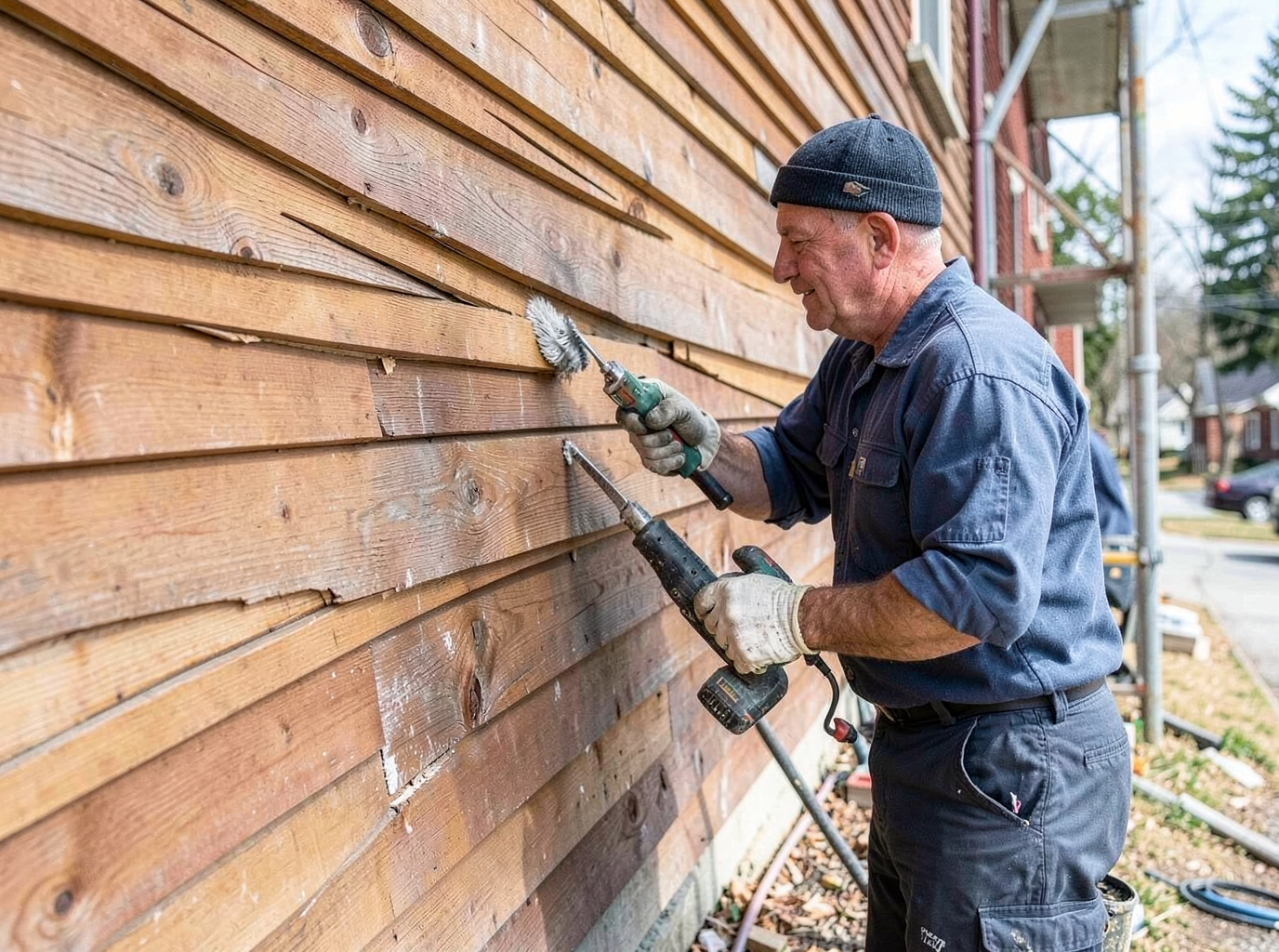
Richmond homes built decades ago near the Brazos River and Fort Bend County Courthouse often feature cedar or pine siding that absorbs moisture during hot, humid summers. The mild winters do little to dry out trapped water, so rot frequently starts at bottom courses and around window trim in neighborhoods like River Park and The Grove. Pros we connect you with check for hidden damage behind boards, replace only the affected sections, and match grain and profile to keep the original look intact without full replacement.
Sugar Land and Rosenberg homes closer to the river see extra challenges from occasional high water and poor drainage in clay-heavy soil. Wood siding here expands and contracts more than in drier counties, loosening nails and opening gaps that let rain reach sheathing. The pros we connect you with use back-primed boards, stainless fasteners, and proper flashing details at transitions to slow future moisture entry while preserving airflow behind the siding.
Missouri City and Richmond Landing properties with mature landscaping often have shade that keeps siding damp longer after storms. This micro-climate speeds decay on north and east walls. Experienced crews inspect for carpenter ants and soft spots with a probe, then cut out damage in full board lengths rather than patches so the repair blends and performs under repeated summer humidity cycles.
Technician insight
In Richmond, the thing that catches most people out with Wood Siding Repair is how quickly shade from live oaks and proximity to the Brazos River keep north walls damp year-round. Homeowners in The Grove often think a few soft spots are cosmetic until we open the wall and find the sheathing already compromised from repeated humidity cycles.
Bottom-Plate Rot Near Richmond Landing
A homeowner noticed soft cedar boards at ground level after a wet spring. The pros we connect you with found sheathing rot extending two feet up caused by splash-back from the clay soil and poor grading. They replaced the lower three courses, added new flashing, and re-graded the bed to direct water away, stopping the cycle without touching the upper siding.
How it works
- 1
Initial Assessment
The pros we connect you with walk the full exterior, probe suspect boards, and note moisture patterns tied to local drainage and river proximity.
- 2
Material Matching
They select species and profile that match the home's original siding, common in older Fort Bend stock, and confirm availability from regional suppliers.
- 3
Targeted Removal and Prep
Damaged sections are cut out cleanly, underlying sheathing dried or replaced, and new flashing installed at seams and penetrations.
- 4
Installation and Finish
New boards are back-primed, fastened with corrosion-resistant nails, caulked at joints, and finished to blend with existing paint.
Pricing
Pricing depends on linear footage, board species, and whether hidden sheathing or flashing repairs are required.